Key Takeaways:
- Phuket Old Town is the island’s most walkable cultural district, shaped by generations of Hokkien Chinese tin-mining merchants who left behind rows of colorful shophouses, ornate shrines, and a rich food culture.
- A single day covers Sino-Portuguese architecture, Chinese-style shrines, street art, small heritage museums, and a Sunday night market that shuts down the main road after dark.
- Pair the walking day with a morning stop at a Phuket pearl farm to see how saltwater pearls are cultivated, harvested, and turned into jewelry, and the trip covers two very different sides of the island in one loop.
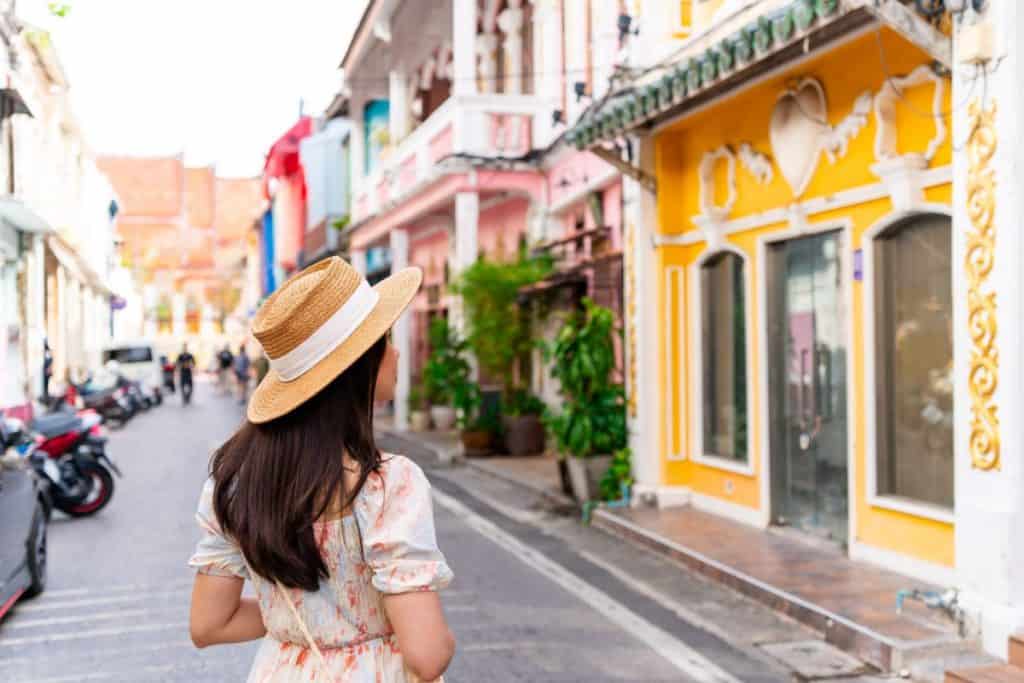
Most visitors fly into Phuket for its beaches, but the island’s most walkable cultural day sits about 30 to 40 minutes east of Patong, in a district known as Phuket Old Town. Behind rows of pastel shophouses and Chinese shrines, this side of the island runs on a completely different rhythm from the west coast, with Sino-Portuguese architecture, street art around every corner, incense smoke drifting out of Hokkien shrines, and a Sunday night market that shuts down the main road after dark.
The day, completed at a leisurely pace, explores main streets, murals, temples, museums, and the market. It also includes an optional morning addition, transforming the excursion into a comprehensive two-part experience.
The Sino-Portuguese Streets
The heart of Old Town clusters around three main roads, Thalang, Dibuk, and Phang Nga, plus a short side alley called Soi Romanee that connects Thalang and Dibuk. All four were built up during the tin-boom era, when Hokkien Chinese tin-mining merchants commissioned the shophouses that line them today, adopting European colonial architectural styles to shape the streetscape now known as Old Town.
Of these, Soi Romanee is the most photographed, with restored facades in soft pinks, yellows, and blues now housing small cafes and guesthouses. The rest sit within a few blocks of each other, so a slow walk covers all four in about an hour. For softer light and thinner crowds, early morning or late afternoon works best for anyone hoping to see the colorful Sino-Portuguese streets in Phuket at their most photogenic.
Street Art Around Old Town
Beyond the architecture, the Phuket Old Town street art scene has grown steadily into an informal walking trail that stretches across Thalang Road, Phang Nga Road, and the smaller sois in between. Subjects range from heritage scenes such as tin miners, fishermen, and old family life on the island to more playful contemporary work.
You can see most of the notable murals in 30 to 45 minutes at a leisurely pace, fitting well between exploring shophouses and grabbing coffee. The trail offers a break from the museum-like pace for families with younger children later in the day.
Temples and Shrines
The murals hint at the neighborhood’s cultural roots, and the shrines make them explicit. The most notable temples in Phuket Old Town are Chinese shrines rather than typical Thai wats, reflecting the strong Hokkien community that shaped the area. Three of them sit within a short walking distance of each other and are easy to visit in a single loop.
- Jui Tui Shrine on Ranong Road is one of the most important, especially during the annual Vegetarian Festival.
- Put Jaw Shrine sits next door on Ranong Road and is considered the oldest Taoist shrine in Phuket.
- Shrine of the Serene Light (Sang Tham) is tucked off Phang Nga Road down a small alley, with ornate Hokkien-style interiors that reward the detour.
All three ask visitors to cover their shoulders and knees, and shoes are removed at the door of the main hall.
Museums and Cultural Stops
After the shrines, most of the main Phuket Old Town attractions for anyone interested in local history sit close together on Krabi Road. Baan Chinpracha (Chinpracha House) is a preserved Sino-Portuguese mansion that shows how wealthy tin-mining families lived, with original furniture, portraits, and family photographs still in place. A few doors down, the Thai Hua Museum picks up the same thread and covers the Chinese migration story that shaped Phuket’s language, food, and architecture.
For families traveling with younger kids, the Upside Down House Museum (Baan Teelanka) in Koh Kaew offers a lighter, photo-heavy alternative to the historic Krabi Road stops. It sits a short drive north of Old Town along the Bypass Road, making it an easy add-on for anyone looping toward that part of the island. Together with the Krabi Road museums, these stops make a solid case for the district as one of the strongest non-beach attractions in Phuket.
The Sunday Night Market (Lard Yai)
By late afternoon, the neighborhood’s biggest draw shifts to the street. The Phuket night market that pulls the largest local crowd is Lard Yai, held every Sunday on Thalang Road from 4:00 PM to 10:00 PM. Traffic closes off, tables spread across the road, and the whole heritage strip becomes a food street.
Expect Hokkien-style noodles, roti, grilled seafood, and Thai desserts, alongside handmade goods, clothing, and small souvenirs. Arriving by 5:00 PM is the sweet spot to eat comfortably before the crowd thickens after dark. For anyone in town on a weekday, heritage restaurants like Raya and Tu Kab Khao are the standard Old Town alternatives, while Chillva Market on the northern edge of the city offers an evening browse in a smaller, more local setting.
Planning the Day Tour
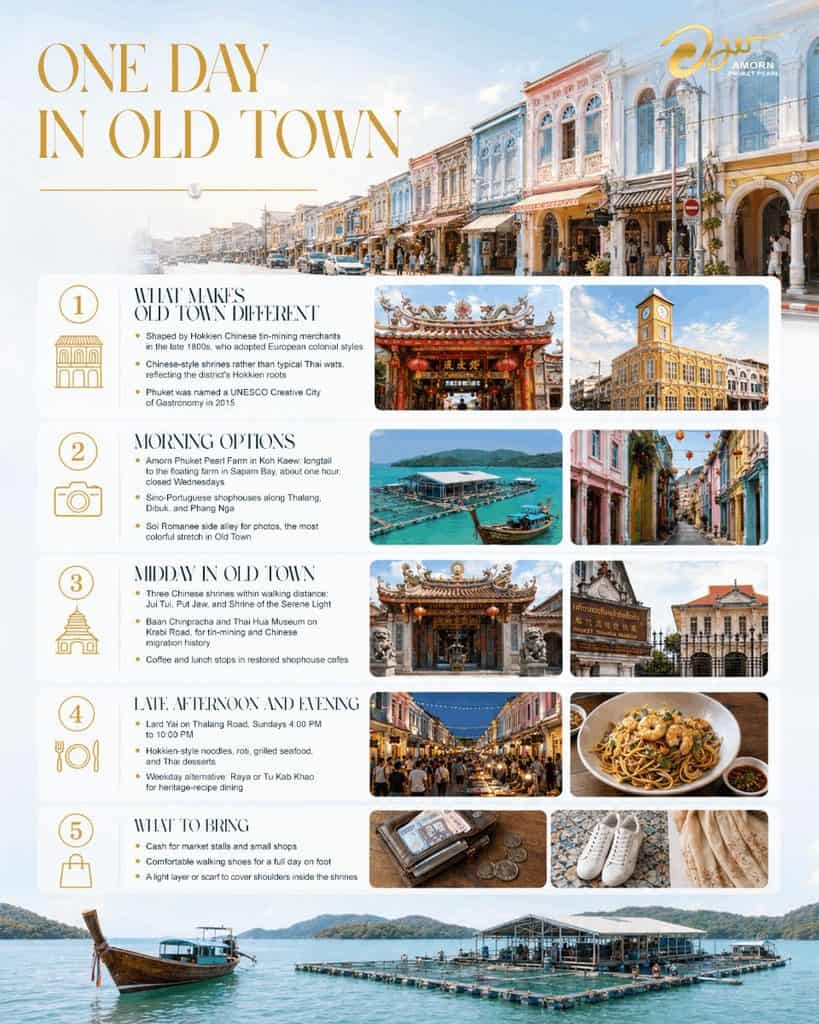
All of this fits into a single day. A Phuket day tour of Old Town works best as a morning-to-evening loop, with shrines and street art first, museums and cafes through midday, and the market from late afternoon. A few practical points make the day run more smoothly.
- Travel time: Around 30 to 40 minutes from Patong and closer to 40 to 50 minutes from Kata during peak daytime traffic. Grab or a private driver is the easiest option.
- Parking: Old Town has two main circles that work as anchors: Surin Circle (the Clock Tower Roundabout) near Montri Road and Suriyadej Circle (the Fountain Roundabout) near the Ranong Road fresh market. Both fill up quickly on Sunday afternoons.
- Year-round: Most stops are sheltered, so weather is rarely a deal-breaker, though November through February is the coolest window for walking.
Pair Old Town With a Pearl Farm Visit
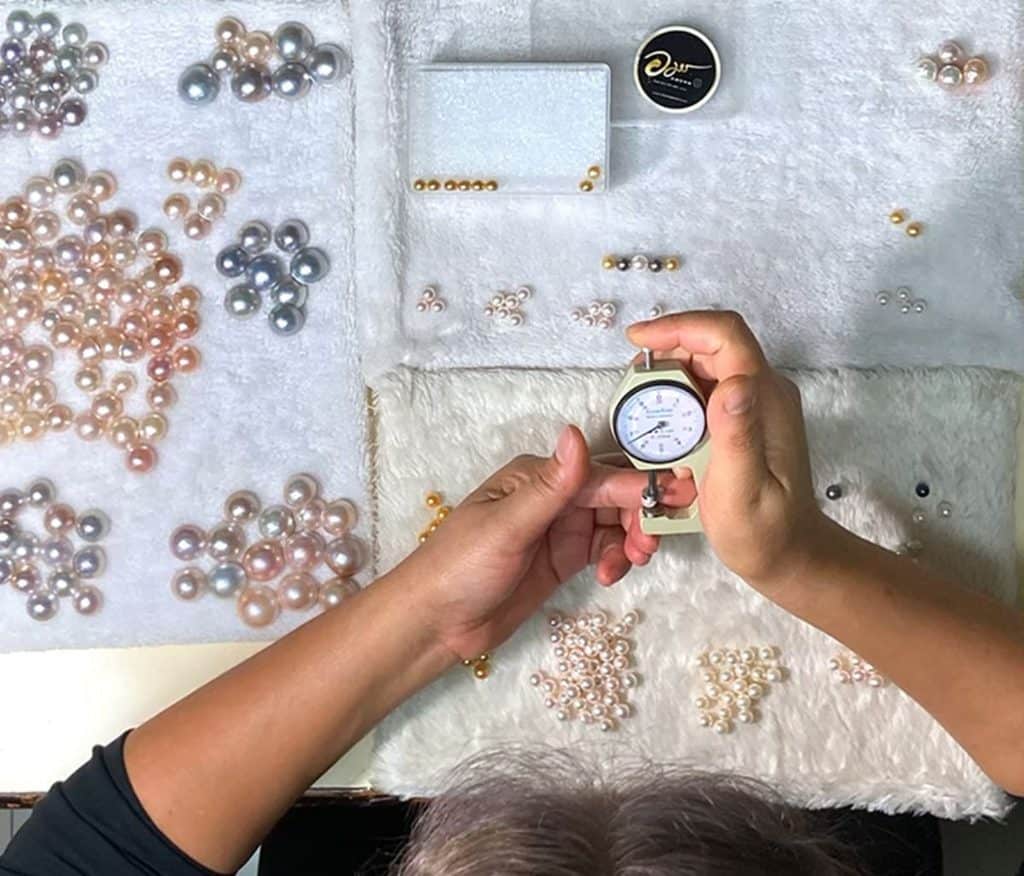
For anyone wanting more from the day, Amorn Phuket Pearl Farm is a short drive north in Koh Kaew and works as an easy morning add-on before heading into town. The visit opens with a traditional longtail boat ride out to the floating farm in Sapam Bay, followed by a walk-through of how saltwater pearls are cultivated, harvested, and graded.
Back on land, the showroom displays the pearl crowns designed for international and national beauty pageants, including Miss Thailand World and Miss Grand Phuket, alongside the jewelry factory and boutique store. The whole visit runs about one hour, with flexible departures between 10:00 AM and 1:00 PM, closed on Wednesdays, and 24 hours’ advance booking required.
The Phuket That Stays With You
Phuket’s beaches usually sell the trip, but the shophouses, shrines, and street food are what tend to stay with visitors after they leave. Both sides fit inside a single day, and neither requires a hotel change or a long ferry ride to the outer islands.
Add a pearl farm tour to your Old Town day. Book a visit with us and see a different side of Phuket before the street food and sunset take over.
References
- Uniquely Phuket: Discovering the Island’s Sino-Portuguese Style. Retrieved 28 August 2026, from https://www.windowonphuket.com/features/1476/sino-portuguese-style
- Lard Yai Sunday Street Market. Retrieved 28 August 2026, from https://www.travelfish.org/sight_profile/thailand/southern_thailand/phuket/phuket/2058
Frequently Asked Questions About Phuket Old Town
Q: What is there to do in Phuket Old Town?
A: A typical day covers the Sino-Portuguese shophouses along Thalang Road and Soi Romanee, a street art walking trail, Chinese shrines including Jui Tui and Put Jaw, small heritage museums on Krabi Road, and the Sunday night market on Thalang Road.
Q: Where can I see the colorful Sino-Portuguese streets in Phuket?
A: The main cluster is in Old Town along Thalang Road, Soi Romanee, Dibuk Road, and Phang Nga Road. Soi Romanee is the most photographed, with restored pastel facades in a single short block.
Q: When is the Phuket Old Town Sunday night market?
A: Lard Yai runs every Sunday on Thalang Road from 4:00 PM to 10:00 PM. Arriving by 5:00 PM is the sweet spot to eat before the crowd builds after dark.
Q: Can I visit Amorn Phuket Pearl Farm on the same day as Old Town?
A: Yes. The farm sits a short drive north in Koh Kaew and pairs naturally as a morning stop before the afternoon loop through Old Town. The visit runs around one hour with departures between 10:00 AM and 1:00 PM, closed on Wednesdays, and 24 hours’ advance booking is required.