Key Takeaways
- The Thailand monsoon season brings short afternoon bursts of rain instead of all-day downpours. The wet months also mean noticeably lower prices and far fewer crowds at major sites.
- The height of the monsoon season on the Andaman coast (Phuket, Krabi, Koh Lanta) is from May to October, while the Gulf coast (Samui, Phangan, Tao) sees its heaviest rain from October to December.
- Mornings are usually clear, so travelers should plan outdoor activities early and switch to indoor experiences after lunch.
- Phuket is home to many indoor cultural activities; plan a half-day tour at non-beach attractions in Phuket, such as a local artisan space or a historic museum, when the weather takes a turn.
Table of Contents
- When Is Monsoon Season in Thailand?
- Thailand Monsoon Season Month by Month
- Is it Worth Visiting Thailand During the Monsoon Season?
- Smart Packing and Safety Tips for the Rainy Months
- 10+ Indoor and Rainy-Day Activities in Phuket
- A Family-Friendly Way to Spend a Rainy Afternoon
- References
- Frequently Asked Questions About Thailand’s Monsoon Season (FAQs)
When Is Monsoon Season in Thailand?
Thailand has two monsoons that affect different coastlines at different times. The southwest monsoon affects the Andaman coast, including Phuket, Krabi, and Koh Lanta, from May until October. From October through December, the northeast monsoon impacts the Gulf coast, with Koh Samui, Koh Phangan, and Koh Tao being among the affected areas.
Peak rainfall occurs in August and September on the Andaman side and around November on the Gulf side.
Planning a visit to Similan and Surin marine parks? They close every year from mid-May to mid-October. Ensure you plan your dive and snorkel itineraries around them.
Thailand Monsoon Season Month by Month
Rather than thinking of the wet season as one long block, it helps to map it out:
- May to June: The Andaman side starts to turn. Mornings stay sunny, with the first heavy bursts arriving in the afternoons.
- July: Showers are more frequent but still short. Hotel rates are noticeably lower.
- August to September: Peak rainfall on the west coast. Expect daily downpours and some sea swells.
- October: A transitional month. The Andaman dries out while the Gulf Coast starts getting wetter.
- November to December: Rainfall affecting the Gulf Coast is the heaviest during this period. Meanwhile, Phuket and Krabi often see some of the island’s clearest weather.
Is it Worth Visiting Thailand During the Monsoon Season?
For most travelers, yes. Flights and hotels are cheaper, the jungle is at its greenest, waterfalls are full, and temples are quiet. Rain almost always comes in short, predictable windows rather than a full day. This often results in some boat tours getting canceled in rough seas, and the marine parks (as stated above) are closed, so ensure you keep your itinerary flexible.
Smart Packing and Safety Tips for the Rainy Months
A few simple preparations can make your wet-season trip a lot easier:
- Pack light and quick-dry: A compact umbrella, a waterproof phone pouch, breathable shirts, and non-slip footwear cover most situations.
- Time your outdoor plans: Front-load mornings with beaches, viewpoints, or boat trips, and save indoor activities for the afternoon.
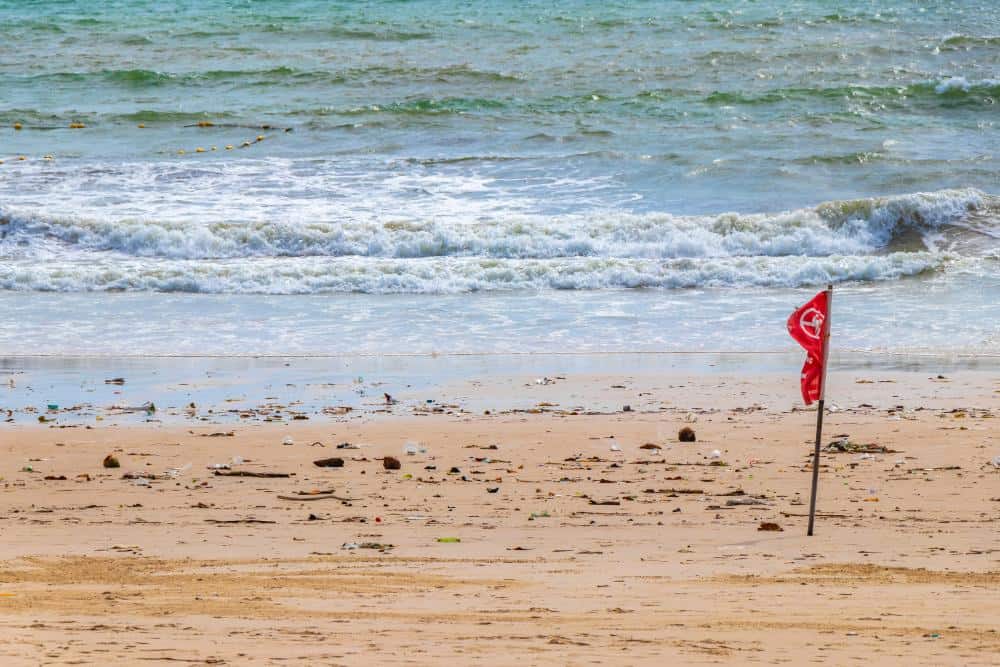
- Respect the red flags: Strong undertows are common during the monsoon season in Thailand. If a beach shows a red flag, stay on the sand.
- Drive with care: Roads can flood quickly, and scooters become risky in heavy rain. Use ride-hailing apps on rainy days.
- Bring insect repellent: Mosquitoes are far more active after rain. Pack a DEET or picaridin spray, or grab Sketolene Shield or Soffell at any 7-Eleven once you land.
- Check schedules daily: Ferry routes and island tours can shift with the weather. The 12Go Asia app and your hotel’s tour desk are the easiest places to confirm timings.
10+ Indoor and Rainy-Day Activities in Phuket
Phuket has plenty going on despite the monsoon season. You just need some imagination and a well-researched itinerary. Here are some ideas:
- Thai cooking class: Blue Elephant and Phuket Thai Cookery School are popular, fully indoor options.
- Old Phuket Town: Walk the Sino-Portuguese streets and step into the Thai Hua Museum, Phuket Mining Museum, or Baan Chinpracha.
- Wat Chalong and the island’s temples: Quiet, atmospheric, and even more striking with a soft rainy backdrop.
- White-water rafting in Phang Nga: The swollen rivers deliver the most thrilling rapids during peak rainfall, so book with a licensed operator that monitors water levels closely, especially if traveling with kids.
- Aquaria Phuket: Thailand’s largest aquarium and fully indoors.
- Andamanda Phuket water park: Rain-friendly indoor and outdoor zones.
- Spa or Thai massage: Low-season discounts widely available.
- Cabaret shows: Simon and Aphrodite both operate in covered theaters.
- Muay Thai at Patong: The indoor stadium delivers high energy, with dry seats included.
- Ethical elephant sanctuaries: Most reputable sanctuaries stay open rain or shine. Operators often note that the elephants become more active and playful in the cooler, wetter weather, which makes for some of the best photos of the year.
- Waterfall hikes: June to October is peak season, when Kathu (8 km from Patong, four-tiered) and Bang Pae in Khao Phra Thaew National Park roar back to life. Trails get muddy, so wear proper shoes and skip hikes during heavy downpours.
- Mall escapes: Cinemas, bowling, and escape rooms at Jungceylon or Central Phuket stay open regardless of the weather.
A Family-Friendly Way to Spend a Rainy Afternoon
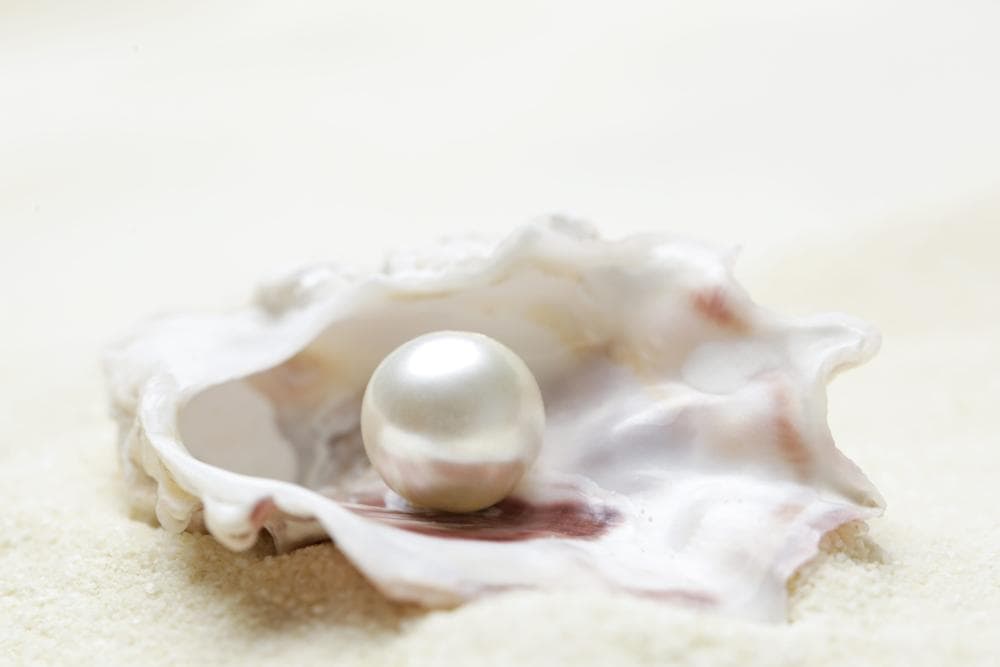
For a cultural half-day that holds up rain or shine, the Amorn Phuket Pearl Farm in Sapam Bay is one of the best non-beach attractions Phuket has to offer. Amorn cultivates Saltwater pearls and the showroom carries everything from loose pearls to custom pieces. Tours are available daily from 10:00 to 15:00 (closed Wednesdays), and the factory and the boutique stays open from 9:00 to 18:00.
Begin your adventure with a short, picturesque longtail boat trip to the floating hatchery, then proceed inside to explore the specialized pearl-crafting factory and showroom. Families with children five and up can enjoy the complete experience; the team is able to reschedule due to poor weather conditions.
The beach will still be there tomorrow. Why not spend your rainy afternoon learning about a meaningful trade? Book our family-friendly tour in Phuket and watch a fourth-generation craft come together up close. Weather-flexible rescheduling means you can reserve with confidence even in the heart of the monsoon months. Call +66 76 377730, message WhatsApp +66 61 308 8919, or book online with 24 hours’ notice.
References
- Climate of Thailand. Retrieved June 18, 2026, from https://en.wikipedia.org/wiki/Climate_of_Thailand
- Weather and Climate in Thailand. Retrieved June 18, 2026, from https://www.tourismthailand.org/Articles/plan-your-trip-weather
- Similan Islands National Park. Retrieved June 18, 2026, from https://www.thainationalparks.com/mu-ko-similan-national-park
- Monsoon. Retrieved June 18, 2026, from https://www.britannica.com/science/monsoon
Frequently Asked Questions About Thailand’s Monsoon Season (FAQs)
Q: When is monsoon season in Thailand?
A: The southwest monsoon runs from May to October on the Andaman coast, while the northeast monsoon affects the Gulf coast from October to December. Peak rainfall on the west side is in August and September.
Q: Does it rain all day during the Thailand monsoon?
A: Rarely. Most days follow a pattern of bright mornings and a heavy afternoon burst lasting one to two hours. All-day rain happens, but it is the exception, not the rule.
Q: Is it safe to swim during the rainy season?
A: Only at flagged beaches with green or yellow signals. Red flags signal strong rip currents and rough surf, which become much more common in the wet months. Always check before you swim.
Q: Are flights and hotels really cheaper in low season?
A: Yes. Hotels often drop rates by 30 to 50%, and flights from Bangkok and regional hubs are noticeably cheaper, especially for stays in May, June, and September.
Q: What can families do in Phuket on a rainy day?
A: Plenty. Aquaria Phuket, Andamanda water park, museums in Old Phuket Town, and a guided pearl factory visit at Amorn Phuket Pearl in Sapam Bay all work well, with kid-friendly options under shelter.